
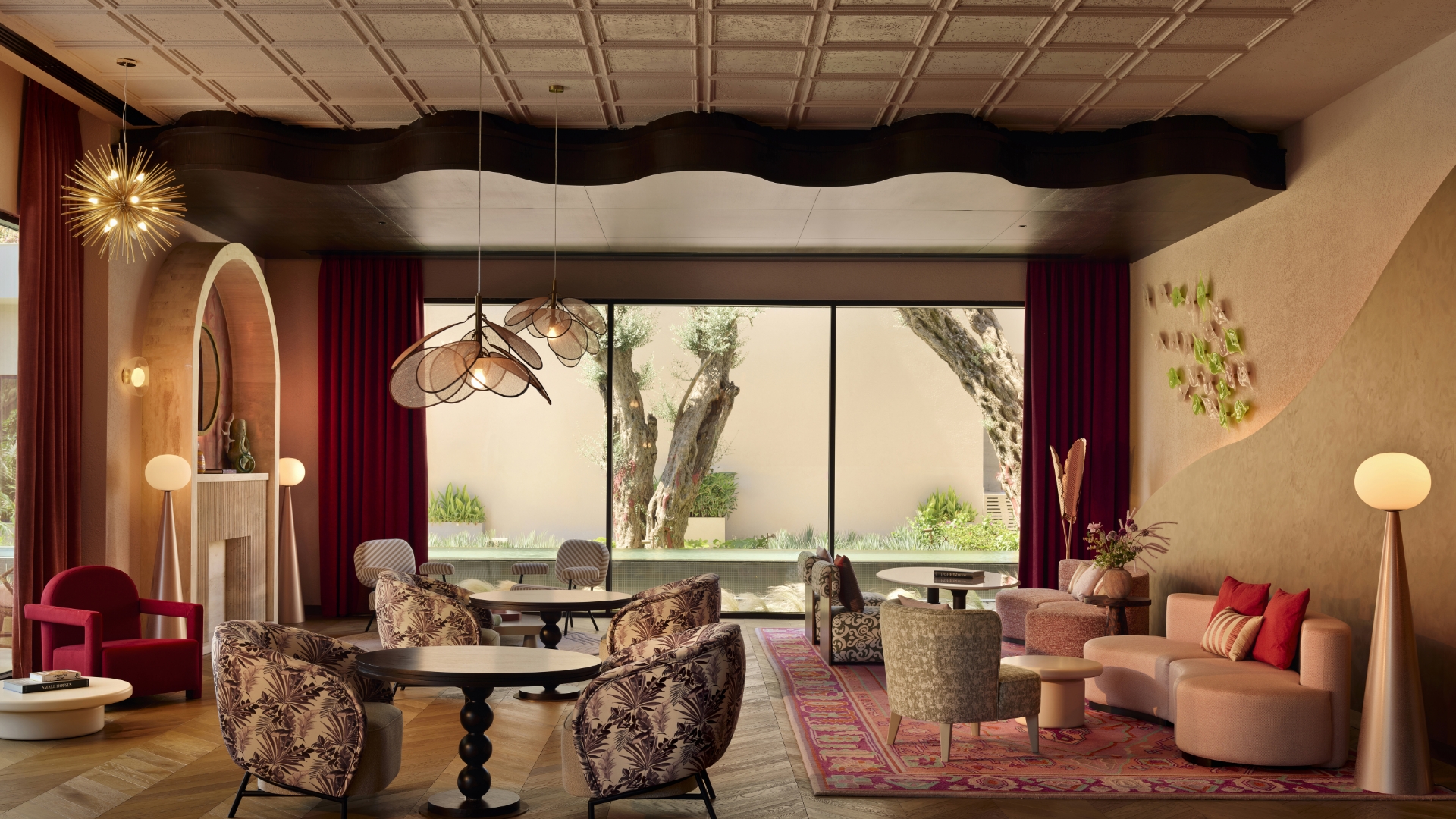

Why wall finishes are a specification decision
In contemporary architecture and interior design, wall finishes are no longer a final “color
choice.” They affect how a space performs, how it ages, and how it is maintained. In
hospitality, retail, multi-family, and high-end residential projects, finishes must withstand regular
contact, cleaning cycles, and changing environmental conditions—while still delivering the
desired aesthetic.
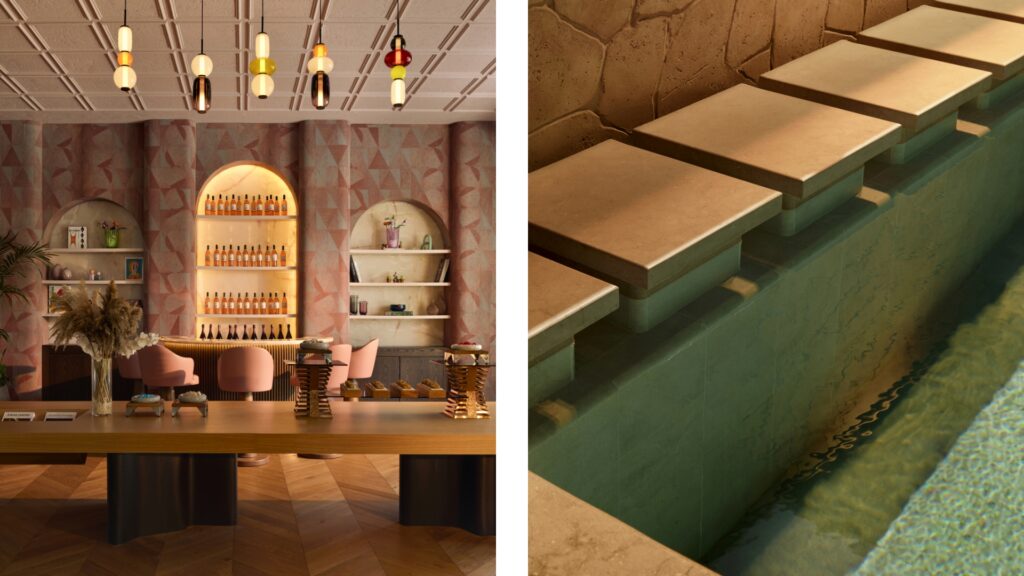
This is why wall finishes should be treated as a specification decision, not a last-minute
decorative layer.
The core performance criteria architects should evaluate
When selecting and specifying a wall finish system, consider the following categories:
1) Durability in use
• Expected traffic level (corridors vs. feature walls)
• Impact/abrasion risk (lobbies, public areas, commercial circulation zones)
• Expected service life before refresh
2) Cleanability & maintenance
• How often will it be cleaned?
• What cleaning products will be used?
• Does the surface show marks easily (scuffs, handprints)?
3) Moisture & environmental exposure
• Is the area exposed to humidity (bathrooms, spas, kitchens)?
• Are there temperature swings (entry areas, poorly insulated walls)?
• Ventilation quality and condensation risk
4) Substrate compatibility
• Existing substrate (drywall, plaster, cementitious board, previously painted
surfaces)
• Surface flatness and integrity
• Cracks, joints, or movement that may telegraph through the finish
5) Visual outcome + lighting behavior
• Matte vs. soft sheen vs. reflective effects
• How the finish reacts under daylight vs. artificial lighting
• Desired level of variation (uniform vs. artisanal movement)
Paint vs. decorative coating systems: system thinking
Traditional paint typically functions as a relatively thin finishing layer. Decorative coatings, by
contrast, are usually approached as systems—with preparation, priming, and finishing stages
designed to achieve a specific look and performance profile.
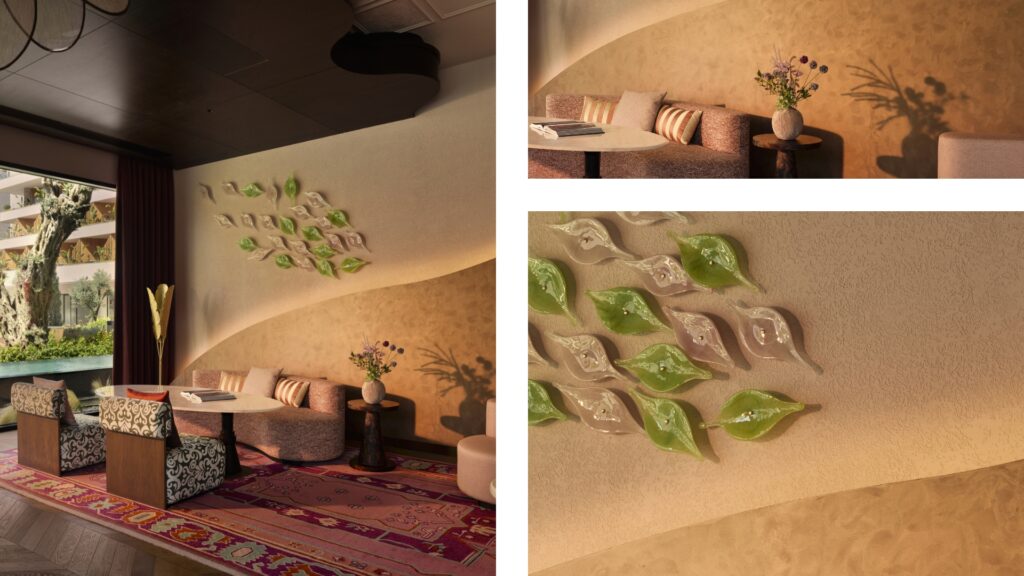
A system approach helps teams control:
• Texture and depth (visual richness)
• Consistency across larger wall areas
• Long-term behavior (how the surface ages and is maintained)
Where decorative surfaces add value in modern projects
Decorative coating systems are most beneficial when the project requires:
• A material-forward interior language (stone-like, mineral, plaster aesthetic)
• A finish that becomes part of the design identity (feature walls, reception)
• The ability to create seamless contemporary surfaces
• A finish that communicates premium quality without heavy ornamentation
Specification workflow: what to request before final selection
To de-risk the selection and avoid surprises during installation, architects and designers should
request:
• Sample boards in the intended texture/effect
• A recommended system build-up (prep + primer + finish approach)
• Application guidance (what conditions, tools, and skill level are required)
• Lighting notes (how to review samples under project-like conditions)
• Guidance on maintenance and cleaning for the specific finish
How San Deco supports specification
San Deco USA focuses on decorative surfaces designed for architects and interior designers—
helping teams align aesthetic intent with practical performance and installation outcomes.
