
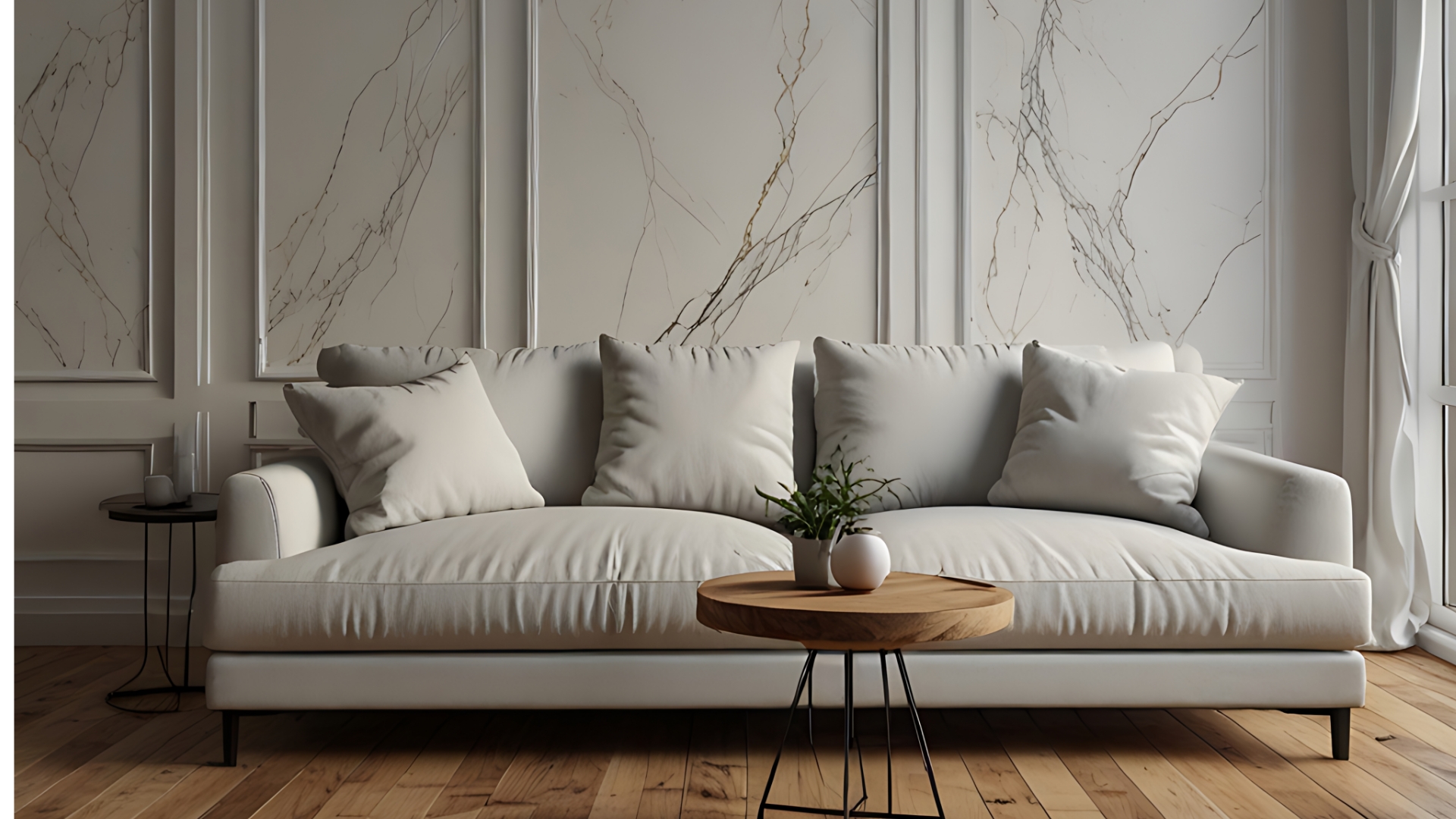

Why this comparison matters
Many projects default to paint because it’s familiar. However, as design priorities shift toward
materiality, depth, and tactile surfaces, architects are increasingly comparing paint to
decorative coating systems—especially when a project demands a premium finish that
communicates brand identity and spatial quality.
This article breaks down the differences in practical terms: where each option excels,
what to consider in specification, and how each performs over time.
1) Material build-up and visual depth
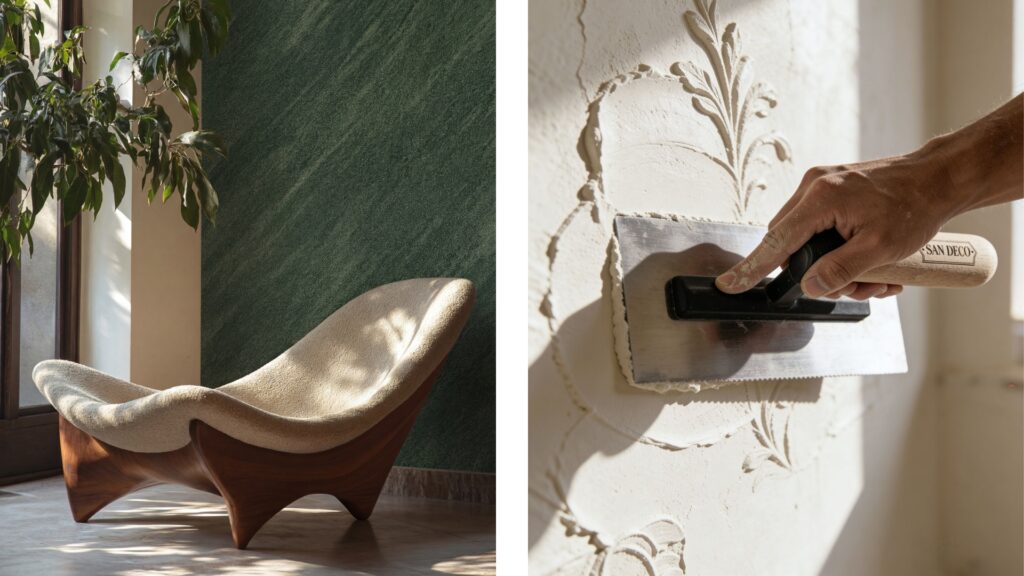
Paint is often selected for speed and broad color options. It generally offers a uniform surface result with limited depth and movement.
Decorative coatings can create thickness, movement, and texture, allowing finishes that feel more material than “coated.”
What this means for design:
• Paint supports flat, consistent color fields
• Decorative coatings support dimension, light play, and texture identity
2) Durability in high-contact environments
In lobbies, corridors, hotel circulation, retail, and multi-family common areas, walls are frequently touched, bumped, and cleaned. In these environments, the choice of finish affects not just aesthetics, but maintenance workload.
Key questions to ask:
• Will walls be regularly cleaned?
• Will luggage, carts, or foot traffic contact surfaces?
• Are there narrow circulation zones where walls take more impact?
Decorative coatings—when specified as a system and installed correctly—often become the choice when the goal is to maintain a premium finish under use.
3) Cleanability and maintenance cycles
Paint can be easy to repaint, but frequent repaint cycles become costly over time—especially in operational environments (hotels, retail rollouts, offices) where downtime matters.
Decorative coatings can support:
• Longer aesthetic longevity
• Reduced repaint frequency
• Better retention of surface character (depending on chosen finish)
Important: Maintenance depends on the specific system and topcoat approach, so always review maintenance recommendations for the selected finish.
4) Aesthetic control and repeatability
A common misconception is that decorative finishes always look “handmade” and unpredictable. In reality, decorative systems can be designed for:
• Controlled variation (subtle movement)
• Large-surface consistency (when technique is standardized)
• Tailored effects depending on the project concept
The right choice depends on whether you want:
• A uniform, brand-consistent look (retail, corporate rollouts)
• A crafted, artisanal surface expression (boutique hospitality, residential)
5) Total cost of ownership (lifecycle thinking)
Upfront cost is only one part of the decision. Architects and owners often evaluate finishes based on:
• Installation time
• Performance under use
• Frequency of refresh
• Long-term appearance
A finish that reduces frequent repainting or patchwork can be a better long-term decision, especially for high-visibility spaces.
When to choose paint
Paint is often a good choice when:
• Budget is tight and surfaces are low-traffic
• Minimal texture and uniformity are required
• Fast refresh cycles are expected
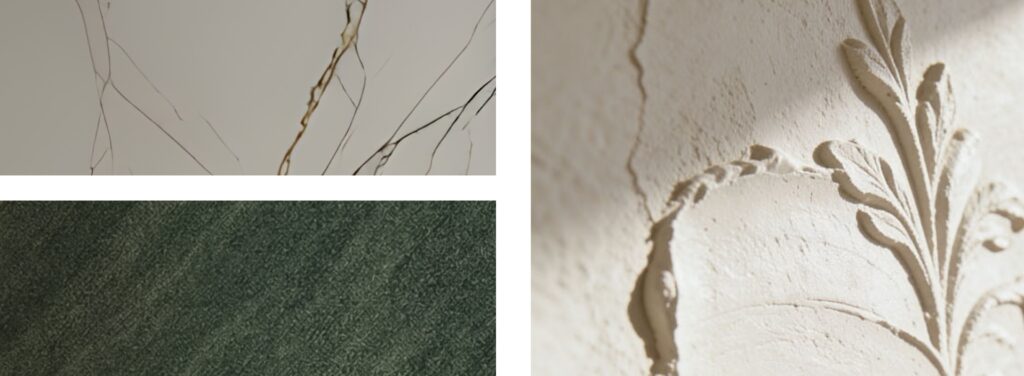
When decorative coatings make more sense
Decorative systems become the better choice when:
• The finish is part of the brand or design identity
• Texture, depth, and materiality are central to the concept
• The space is high-visibility and needs premium longevity
